🌮 Street Food Trailers: The Heartbeat of Urban Flavor From sizzling tacos http://yourdesignedfoodtrailer.shopon a downtown corner to aromatic noodles at a weekend market, street food trailers are redefining how we experience food. These compact, mobile kitchens bring bold flavors, cultural diversity, and entrepreneurial spirit to sidewalks, festivals, and pop-up events across the globe. Whether you’re dreaming of launching your own street food venture or simply curious about what makes these trailers so special, this guide dives into the world of street food trailers—where creativity meets convenience. 🚚 What Is a Street Food Trailer? A street food trailer is a towablehttp://commercialtrucktrader.com mobile kitchen designed for preparing and serving food in public spaces. Unlike food trucks, which are self-powered vehicles, trailers are hitched to a separate vehicle and often offer more flexibility in size and layout. Common Features: 🍜 Why Street Food Trailers Are So Popular ✅ 1. Low Startup Costs 🌍 2. Cultural Expression 📍 3. Location Flexibility 💡 4. Creative Freedom 🛠️ Setting Up a Street Food Trailer 🧾 Legal Requirements 🍳 Equipment Essentials 🎨 Branding and Design 💰 Tips for Success 🌟 Street Food Trailer vs. Food Truck: Key Differences Feature Street Food Trailer Food TruckMobility Requires tow vehicle Self-poweredStartup Cost Lower HigherSpace More customizable Limited by vehicle designMaintenance Easier and cheaper More complexLicensing May vary by region Often more standardized 🚀 Final Thoughts Street food trailers are more than just mobile kitchens—they’re cultural ambassadors, creative outlets, and community staples. Whetherhttp://bing.com you’re serving up gourmet bites or comfort food classics, your trailer can become a beloved part of the local food scene. So hitch up your dream, fire up the grill, and let your flavors hit the streets. The world is hungry—and your trailer is ready to serve.

Food Trailer with Air Conditioning
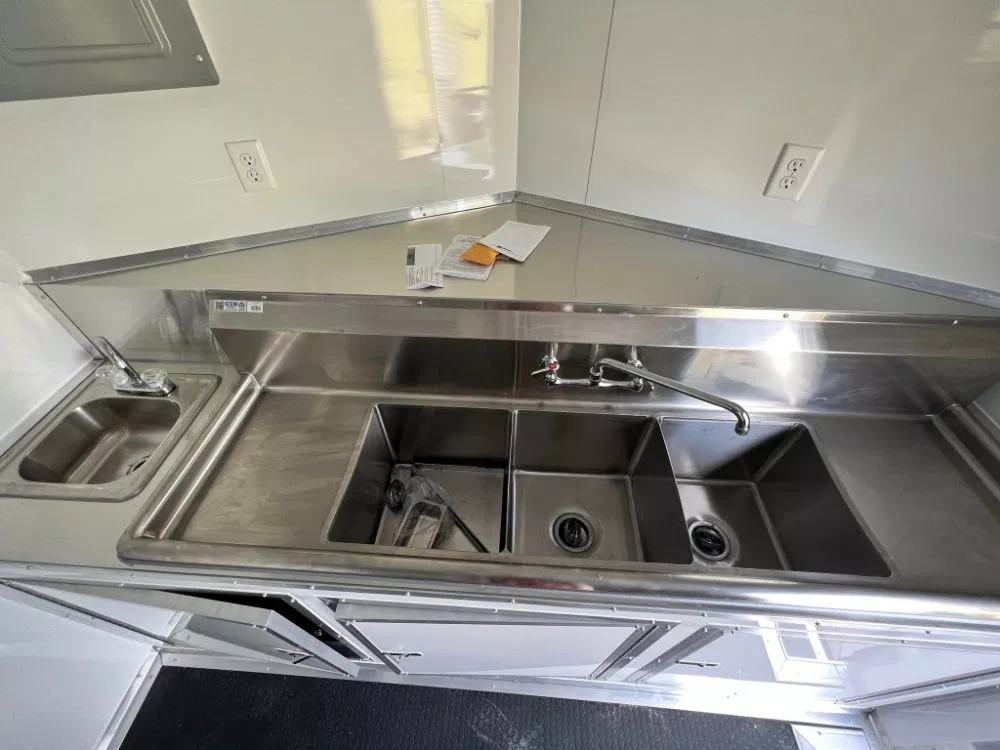
❄️ Food Trailers with Air Conditioning: Stay Cool While Cooking Hot Running a food trailer http://yourdesignedfoodtrailer.shopis a high-heat hustle—literally. Between sizzling grills, boiling fryers, and the summer sun beating down, temperatures inside a mobile kitchen can soar to uncomfortable (and even unsafe) levels. That’s where air conditioning in food trailers becomes a game-changer. Whether you’re operating in a warm http://bing.comclimate year-round or gearing up for festival season, installing AC in your food trailer can improve comfort, safety, and productivity. Here’s everything you need to know about cooling your mobile kitchen. 🌡️ Why Air Conditioning Matters in Food Trailers ✅ 1. Staff Comfort and Safety 🔥 2. Equipment Efficiency 🧼 3. Food Safety Compliance 😌 4. Customer Experience 🛠️ Types of Air Conditioning Systems for Food Trailers 🌀 Rooftop AC Units 🧊 Portable AC Units ❄️ Mini-Split Systems 🔋 Considerations: 🧰 Installation Tips 💡 Bonus: Cooling Alternatives If full AC installation isn’t feasible, consider these options: 🚀 Final Thoughts Adding air conditioning to your food http://facebook.com/marketplacetrailer isn’t just a luxury—it’s a smart investment in your business’s health, safety, and success. A cooler kitchen means happier staff, safer food, and smoother operations, especially during peak summer months. So if you’re sweating through service or planning a new build, consider making AC part of your mobile kitchen strategy. Your team—and your customers—will thank you.
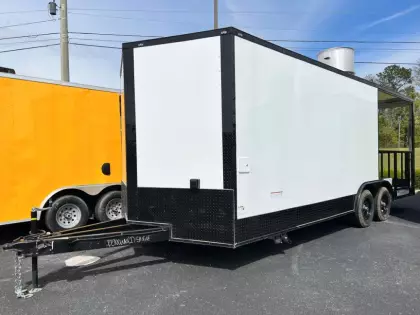
Container Food Trailer
🧱 Container Food Trailers: The Industrial Revolution of Mobile Dining In the ever-evolving world http://yourdesignedfoodtrailer.shopof mobile food businesses, one trend is turning heads and redefining street cuisine: the container food trailer. These rugged, industrial-style units—often repurposed from shipping containers—offer a bold alternative to traditional food trucks and trailers. With their modular design, durability, and aesthetic appeal, container food trailers are becoming the go-to choice for entrepreneurs who want to stand out and scale up. Whether you’re launching a gourmet burger joint or a sleek coffee bar, here’s everything you need to know about container food trailers and why they might be the perfect fit for your culinary vision. 🚚 What Is a Container Food Trailer? A container food trailer is a mobilehttp://commercialtrucktrader.com kitchen built from a modified shipping container mounted on a trailer chassis. Unlike stationary container restaurants, these units are designed to be towed and relocated, combining the industrial charm of a container with the flexibility of a food trailer. Key Features: 🛠️ Benefits of Container Food Trailers ✅ 1. Durability and Security 🎨 2. Customization Potential 🌍 3. Sustainability 📈 4. Scalability 💼 5. Brand Differentiation 🧭 Things to Consider Before Investing ⚖️ Weight and Towing 🏗️ Build and Conversion Costs 🧾 Permits and Regulations 🛣️ Mobility vs. Stationary Use 💡 Creative Uses for Container Food Trailers 🚀 Final Thoughts Container food trailers are morehttp://facebook.com/marketplace than just a trend—they’re a bold statement in the mobile food industry. With their industrial aesthetic, customizable design, and long-term durability, they offer a unique platform for culinary entrepreneurs ready to break the mold. If you’re looking to build a brand that turns heads and serves up unforgettable experiences, a container food trailer might just be your next big move.
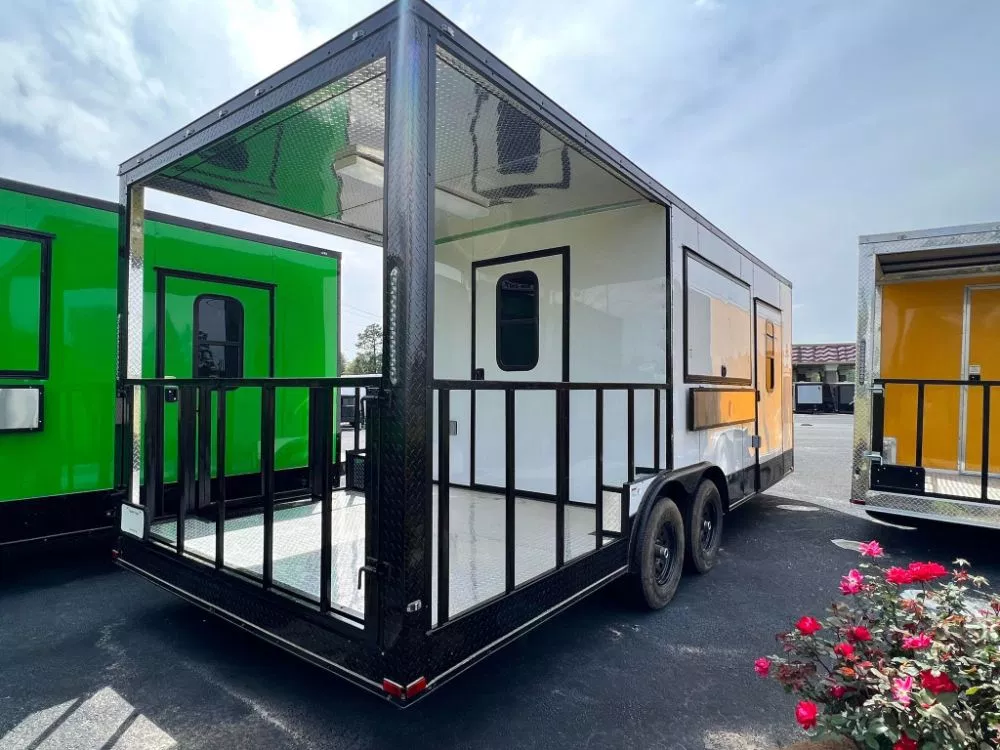
How to Transport a Food Trailer
🚚 How to Transport a Food Trailer: A Step-by-Step Guide for Safe and Smooth Travel Your food trailerhttp://yourdesignedfoodtrailer.shop is more than just a kitchen—it’s your business on wheels. Whether you’re heading to a festival, relocating to a new city, or delivering a newly built trailer to its owner, transporting it safely is critical. A misstep in towing or logistics can lead to costly damage, legal issues, or delays in service. In this guide, we’ll walk you through everything you need to know about how to transport a food trailer—from preparation to arrival. 🧭 Step 1: Know Your Trailer Specs Before you hit the road, understand the basics of your trailer. Tip: Check your trailer’s VIN plate for official specs. 🚙 Step 2: Choose the Right Tow Vehicle Not all vehicles are up to the task. Match your trailer with a capable tow vehicle. Popular choices include pickup trucks (Ford F-150, Ram 2500) and SUVs with towing packages. 🧰 Step 3: Prepare the Trailer for Transport Get your trailer road-ready with a thorough inspection. Bonus: Use wheel chocks and safety chains for added security. 🛣️ Step 4: Plan Your Route Avoid surprises by mapping out your journey in advance. Apps like CoPilot Truck or Roadtrippers can help plan trailer-safe routes. 🧾 Step 5: Legal and Safety Requirements Stay compliant with transportation laws. Pro tip: Keep all documents in a waterproof folder inside the tow vehicle. 🛑 Step 6: Drive with Caution Towing a food trailer requires extra care and attention. If you’re new to towing, consider a practice run in a low-traffic area. 🏁 Final Thoughts Transporting a food trailer isn’t just http://facebook.com/marketplaceabout getting from point A to B—it’s about protecting your investment and ensuring a smooth, safe journey. With the right vehicle, preparation, and route planning, you can move your mobile kitchen confidently and efficiently. Whether you’re heading to your next big event or delivering a freshly built trailer to a client, follow these steps to keep your wheels rolling and your business thriving.
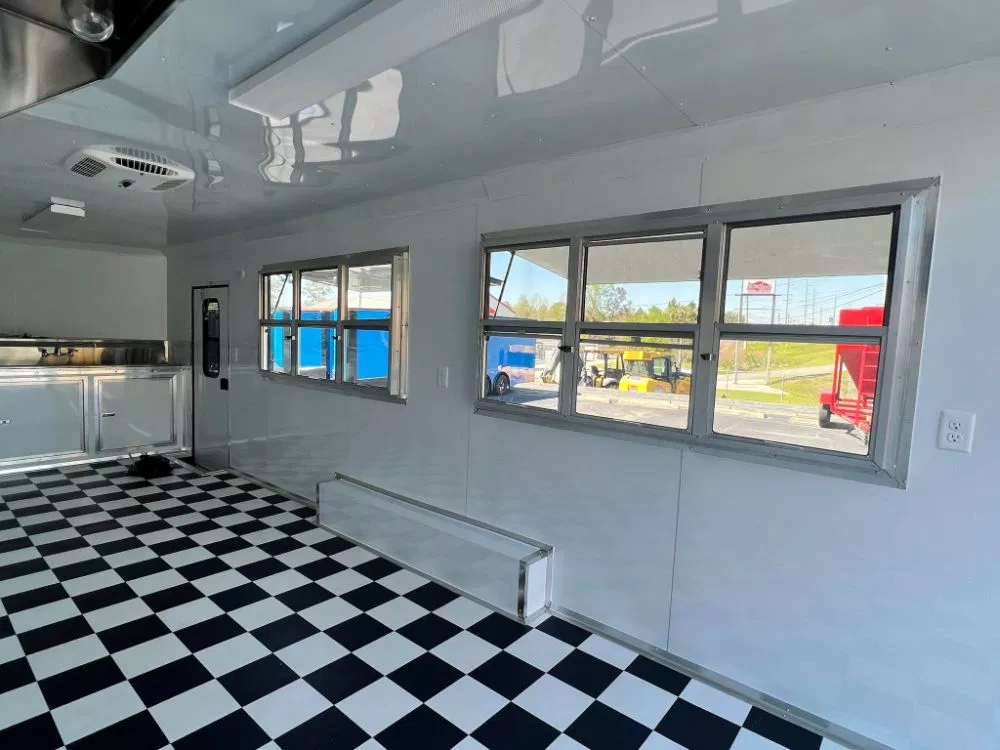
Food Trailer Regulations for Selling Alcohol
🍻 Food Trailer Regulations for Selling Alcohol: What You Need to Know Adding alcohol to yourhttp://yourdesignedfoodtrailer.shop food trailer menu can be a game-changer—boosting profits, attracting new customers, and enhancing your brand. But before you start pouring craft beers or mixing cocktails, you need to navigate a maze of legal requirements. Selling alcohol from a mobile unit like a food trailer involves more than just stocking up—it demands licenses, permits, and strict compliance 📜 1. Alcohol Beverage License Is Mandatory No matter what type of alcohol http://ebay.comyou plan to sell—beer, wine, or spirits—you’ll need an alcohol beverage license. Operating without one can lead to hefty fines or even criminal charges43dcd9a7-70db-4a1f-b0ae-981daa162054. Licensing requirements vary by state and municipality, so check with your local Alcohol Beverage Control (ABC) agency. 🗺️ 2. Zoning and Location Restrictions You can’t just park anywhere and start serving drinks. Always consult local zoning maps and ordinances before choosing a location. 🧾 3. Permits and Compliance Beyond your liquor license, you may need: Some jurisdictions may require collaboration with a licensed caterer or event organizer for alcohol service at public events43dcd9a7-70db-4a1f-b0ae-981daa162054. 🆔 4. Age Verification and ID Checks Selling alcohol means enforcing the legal drinking age—21 in the U.S. Failure to comply can result in license suspension or criminal charges. 🚫 5. Open Container Laws and Consumption Areas Open container laws vary widely and dictate where alcohol can be consumed. Non-compliance can lead to fines or permit revocation. ⚖️ 6. Dram Shop Liability You can be held legally responsible for the actions of intoxicated patrons. Consider additional insurance coverage to protect your business. 💡 Final Thoughts Selling alcohol from a food trailer can http://facebook.com/marketplaceelevate your business—but only if done legally and responsibly. From securing the right licenses to enforcing age checks and zoning compliance, every step matters. The process may be complex, but the rewards—higher revenue, broader appeal, and a unique customer experience—make it worthwhile. So before you pop the cork, make sure your trailer is fully compliant. Cheers to smart, safe, and successful mobile service!
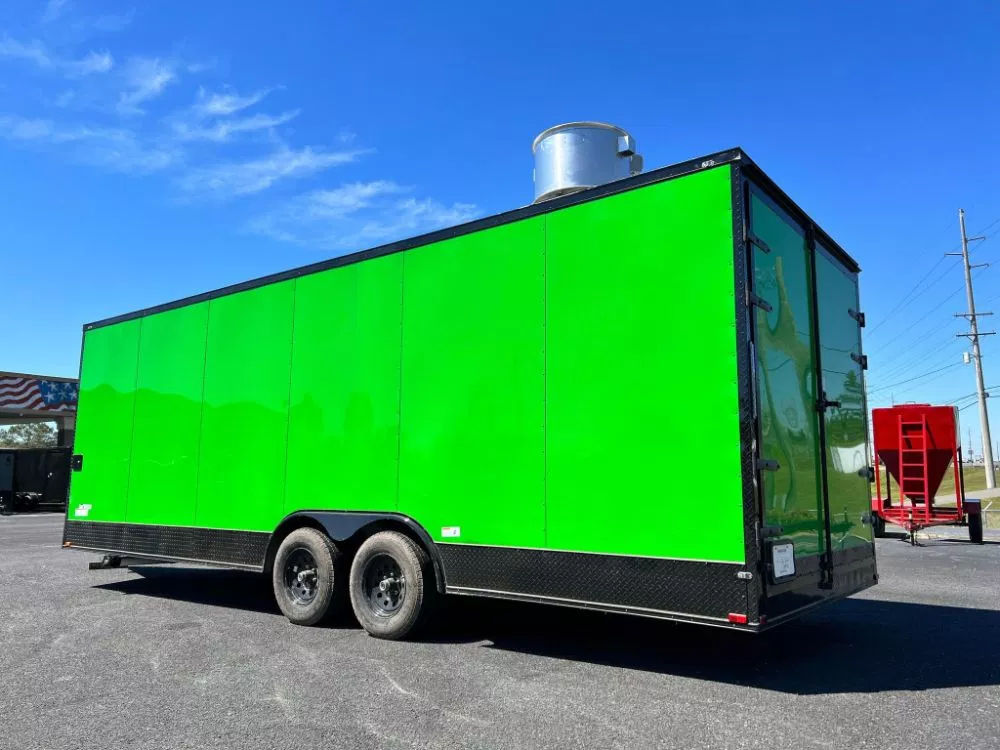
DIY Food Trailer Conversion
🔧 DIY Food Trailer Conversion: Turn Your Dream Kitchen on Wheels into Reality Ever dreamed of owninghttp://yourdesignedfoodtrailer.shop a food trailer but felt daunted by the cost of buying one brand new? A DIY food trailer conversion might be your ticket to culinary freedom—without breaking the bank. Whether you’re a weekend tinkerer or a full-blown handyman, converting a trailer into a mobile kitchen is a rewarding project that combines creativity, craftsmanship, and entrepreneurship. In this guide, we’ll walk you through the essentials of converting a trailer into a fully functional food business on wheels. 🚚 Step 1: Choose the Right Base Trailer Your journey begins with selecting the right shell to build on. Tip: Look for trailers with solid frames, minimal rust, and good tires. Size matters—consider your menu and equipment needs. 🧠 Step 2: Plan Your Layout and Design Before you start drilling and wiring, sketch out your vision. Tools to use: CAD software, graph paper, or even cardboard mockups. 🔌 Step 3: Electrical and Plumbing Setup This is where your trailer starts feeling like a real kitchen. Pro tip: Hire licensed professionals for critical systems to ensure safety and code compliance. 🔥 Step 4: Install Kitchen Equipment Time to bring in the heart of your operation. Note: Choose compact, energy-efficient models designed for mobile use. 🎨 Step 5: Interior and Exterior Finishing Make it functional—and fabulous. Bonus: Include a chalkboard menu or LED display for dynamic pricing and specials. ✅ Step 6: Licensing, Inspection, and Launch Before you hit the road, make sure you’re legal and safe. Once approved, you’re ready to roll! 💡 DIY Tips and Tricks 🚀 Final Thoughts A DIY food trailer conversion is more than a project—it’s the start of a dream. With the right planning, tools, and passion, you can transform ahttp://facebook.com\marketplace humble trailer into a thriving mobile business. Whether you’re serving tacos, smoothies, or gourmet grilled cheese, your custom-built kitchen will reflect your unique flavor and hustle. So grab your toolbox, fire up your imagination, and start building the food trailer that’ll take your culinary vision on the road.

Sustainable Food Trailer
🌱 Sustainable Food Trailers: Rolling Toward a Greener Future In a world wherehttp://yourdesignedfoodtrailer.shop eco-consciousness is more than a trend—it’s a responsibility—food trailers are joining the movement toward sustainability. These mobile kitchens are uniquely positioned to make a big impact with small changes. From reducing waste to sourcing locally, a sustainable food trailer isn’t just good for the planet—it’s good for business. Whether you’re launching a new venture or looking to green your existing setup, here’s how to build and operate a sustainable food trailer that serves up both flavor and environmental stewardship. ♻️ Why Sustainability Matters in Mobile Food 🔋 Building a Sustainable Food Trailer Start with the foundation—literally. A green trailer begins with smart design and eco-friendly materials. 🥕 Sustainable Sourcing and Menu Planning What you serve matters just as much as how you serve it. 🚮 Waste Reduction Strategies Waste is one of the biggest challenges in food service—but it’s also one of the easiest to tackle with intention. 🌍 Sustainable Operations on the Road Even your travel habits can be greener. ✅ Certification and Branding Showcase your commitment with credibility. 🚚 Final Thoughts A sustainable food trailer isn’t just a dream—it’s a delicious reality. By making thoughtful choices in design, sourcing, operations, andhttp://facebook.com/marketplace waste management, you can serve up meals that nourish both people and the planet. And in doing so, you’ll attract loyal customers, reduce costs, and help lead the mobile food industry into a greener future. So go ahead—let your trailer roll with purpose. The road to sustainability starts with one bite at a time.
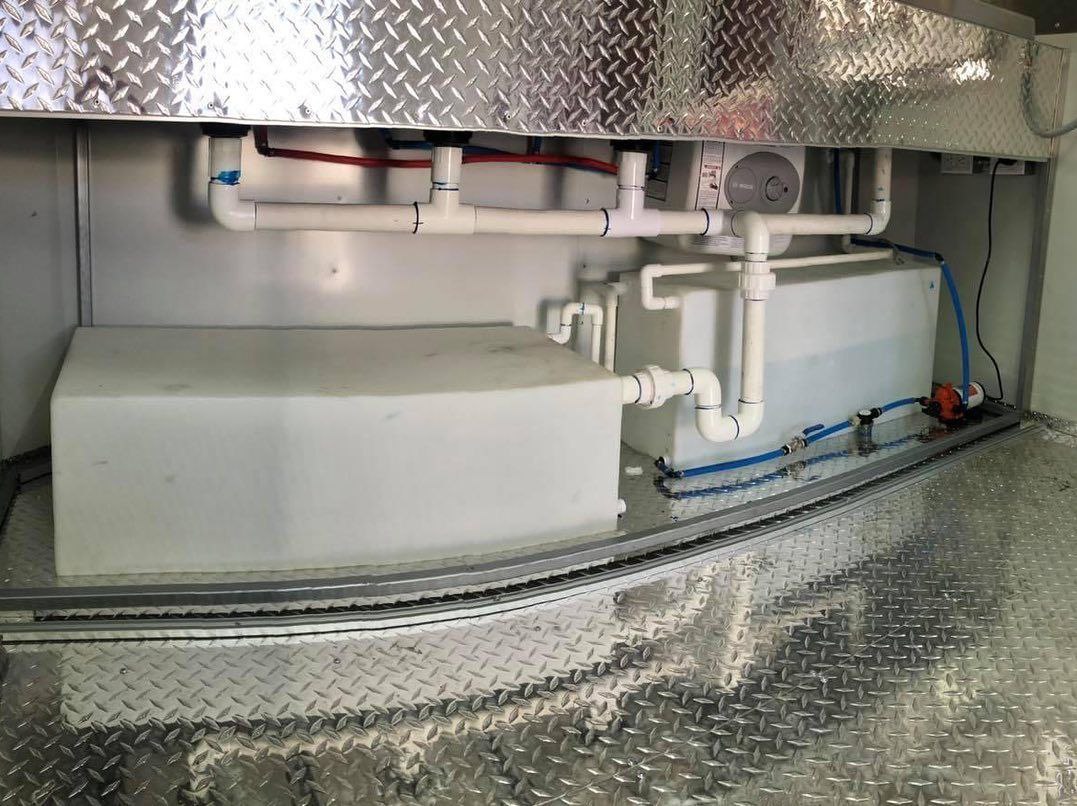
Food Trailer Maintenance Checklist
🛠️ Food Trailer Maintenance Checklist: Keep Your Mobile Kitchen Rolling Smoothly Running a food trailer is an http://yourdesignedfoodtrailer.shopexciting venture—you’re serving up delicious meals, connecting with customers, and cruising from one event to the next. But behind the sizzling grills and happy faces lies a crucial component of success: maintenance. Neglecting upkeep can lead to costly breakdowns, health violations, or even lost business days. Whether you’re a seasoned food trucker or just starting out, this food trailer maintenance checklist will help you stay on top of your game and keep your mobile kitchen in tip-top shape. 🔧 Daily Maintenance Tasks These are the non-negotiables—quick checks and cleanups that ensure safety and hygiene every single day. 🗓️ Weekly Maintenance Tasks These tasks dig a little deeper and help prevent wear and tear from becoming a problem. 📅 Monthly Maintenance Tasks Time to go under the hood—literally and figuratively. 🛠️ Seasonal or Quarterly Maintenance These tasks help you prepare for weather changes and long-term wear. ✅ Bonus Tips for Food Trailer Longevity 🚚 Final Thoughts Your food trailer is more than just a vehicle—it’s your livelihood. A well-maintained trailer not only ensures safety and compliance http://facebook.com/marketplacebut also builds trust with customers and keeps your business running smoothly. Think of maintenance as an investment, not a chore. So grab that checklist, roll up your sleeves, and give your mobile kitchen the TLC it deserves. Your future self (and your hungry customers) will thank you!
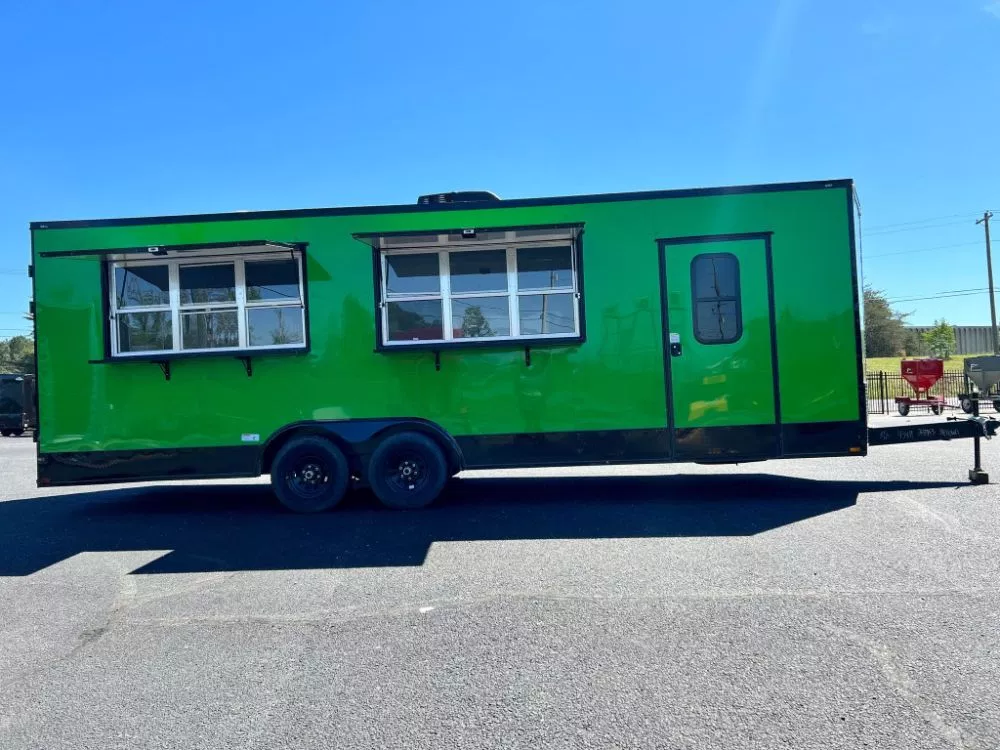
Used Food Trailer Buying Guide
🛻 Second-Hand Savvy: Your Ultimate Guide to Buying a Used Food Trailer Starting a mobile http://yourdesignedfoodtrailer.shopfood business doesn’t have to break the bank. A well-maintained used food trailer can be the perfect entry point—offering functionality, character, and major savings. But scoring the right one requires strategy, inspection savvy, and a little culinary clairvoyance. 💰 Why Buy Used? Going pre-owned has its perks: Great for first-timers, pop-ups, or scaling on a budget. 🔍 What to Look For in a Used Trailer Before you sign on the dotted line, inspect like a pro: 📋 Physical Condition 🔌 Utilities & Equipment 🧾 Legal Paperwork 🧑🍳 Fit for Your Concept Make sure the trailer works for your menu: Sometimes it’s worth spending less on a trailer you can customize later. 💬 Where to Buy Used Trailers Try trusted sources: Platform Highlights Facebook Marketplace Local listings, fast negotiations UsedVending.com Nationwide options, detailed specs eBay Motors Auction-style or fixed pricing options Trailer Dealerships Some offer certified pre-owned inventory Food Trailer Builders Occasionally sell trade-ins or refurbished units Always meet sellers in person when possible—or request a video walkthrough if remote. 🛠️ What to Budget For (Beyond Purchase) Don’t forget these possible costs: Factor these in to avoid budget surprises. 🏁 Ready to Hit the Road? Buying used can get you servinghttp://facebook.com/marketplace street-side favorites in no time—but it pays to inspect thoroughly, compare options, and think long-term. Choose wisely, and your trailer will be more than a vehicle—it’ll be the beating heart of your food dream.

Tiny Food Trailer
🚐 Tiny But Mighty: The Charm and Power of Tiny Food Trailers In a culinary landscapehttp://yourdesignedfoodtrailer.shop that celebrates efficiency and individuality, tiny food trailers are turning heads as compact champions of flavor. These pint-sized mobile kitchens may not boast the space of full-scale food trucks, but they pack enough personality, innovation, and delicious impact to command serious street food attention. 🍔 What Exactly Is a Tiny Food Trailer? A tiny food trailer is a mobile foodhttp://commercialtrucktrader.com unit typically under 10–12 feet long. Unlike bulky food trucks, these trailers are towed by vehicles and designed for minimal footprint setups—perfect for tight spaces, niche menus, and low startup costs. They serve up: Think minimal space, maximum creativity. 🎯 Why Choose a Tiny Trailer? Tiny trailers are ideal for entrepreneurs who value: They’re especially great for pop-ups, farmers markets, festivals, or even private catering gigs where a compact setup shines. ✨ Design That Delivers Even tiny food trailers can make a huge visual impact. Smart design turns limited square footage into a brand experience: Add a canopy, twinkle lights, or planters, and suddenly you’re not just serving food—you’re serving atmosphere. 📦 What Can You Serve? With a focus on efficiency, tiny trailers thrive on specialized menus. Popular concepts include: Menu Style Why It Works Coffee & Pastries Low equipment needs and high morning traffic Grilled Cheese or Sliders Quick prep and comfort-food appeal Ice Cream & Popsicles Seasonal hits with minimal cooking Vegan Snacks or Bowls Health-conscious menus with niche followings Pick one killer concept, nail your flavor, and let word of mouth do the rest. 🚀 Is a Tiny Trailer Right for You? If you’re looking to test the foodhttp://facebook.com/marketplace industry waters or scale down with style, tiny food trailers offer a delicious opportunity: