🧱 Container Food Trailers: The Industrial Revolution of Mobile Dining
In the ever-evolving world http://yourdesignedfoodtrailer.shopof mobile food businesses, one trend is turning heads and redefining street cuisine: the container food trailer. These rugged, industrial-style units—often repurposed from shipping containers—offer a bold alternative to traditional food trucks and trailers. With their modular design, durability, and aesthetic appeal, container food trailers are becoming the go-to choice for entrepreneurs who want to stand out and scale up.
Whether you’re launching a gourmet burger joint or a sleek coffee bar, here’s everything you need to know about container food trailers and why they might be the perfect fit for your culinary vision.
🚚 What Is a Container Food Trailer?
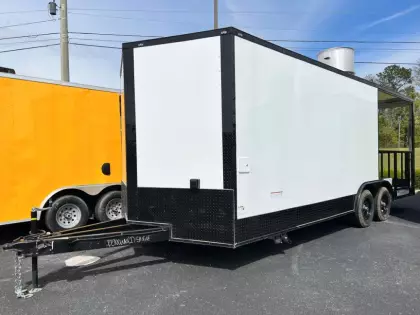
A container food trailer is a mobilehttp://commercialtrucktrader.com kitchen built from a modified shipping container mounted on a trailer chassis. Unlike stationary container restaurants, these units are designed to be towed and relocated, combining the industrial charm of a container with the flexibility of a food trailer.
Key Features:
- Steel construction for durability
- Customizable interiors and exteriors
- Towable design for mobility
- High-end aesthetic appeal
- Weather-resistant and secure
🛠️ Benefits of Container Food Trailers
✅ 1. Durability and Security
- Made from heavy-duty steel, http://usedvending.comcontainers are built to withstand harsh conditions.
- Lockable doors and reinforced walls offer superior protection against theft and vandalism.
🎨 2. Customization Potential
- Easily outfitted with windows, counters, sinks, and branding.
- Interior layouts can be tailored to your menu and workflow.
🌍 3. Sustainability
- Repurposing used containers reduces waste.
- Can be outfitted with solar panels, water-saving systems, and eco-friendly materials.
📈 4. Scalability
- Modular design allows for expansion—add more containers or link units together.
- Ideal for franchises or multi-location setups.
💼 5. Brand Differentiation
- The industrial lookhttp://ebay.com stands out at events, festivals, and urban settings.
- Offers a premium feel that attracts design-conscious customers.
🧭 Things to Consider Before Investing
⚖️ Weight and Towing
- Containers are heavier than standard trailers—ensure your tow vehicle is up to the task.
- May require reinforced axles and specialized hitches.
🏗️ Build and Conversion Costs
- Initial investment canhttp://bing.com be higher due to customization and materials.
- Long-term durability often offsets upfront costs.
🧾 Permits and Regulations
- Must comply with local health, fire, and zoning codes.
- Some areas may have restrictions on container-based structures.
🛣️ Mobility vs. Stationary Use
- While towable, container trailers are bulkier and less nimble than traditional food trucks.
- Best suited for semi-permanent setups or event-based operations.
💡 Creative Uses for Container Food Trailers
- Pop-up restaurants: http://craigslist.orgLaunch seasonal or limited-time concepts.
- Event catering: Serve weddings, festivals, and corporate events with style.
- Brand activations: Use as a mobile showroom or tasting station.
- Hybrid models: Combine food service with retail or merchandise sales.
🚀 Final Thoughts
Container food trailers are morehttp://facebook.com/marketplace than just a trend—they’re a bold statement in the mobile food industry. With their industrial aesthetic, customizable design, and long-term durability, they offer a unique platform for culinary entrepreneurs ready to break the mold.
If you’re looking to build a brand that turns heads and serves up unforgettable experiences, a container food trailer might just be your next big move.